
Sign in
If you do not have an account, click Create AccountCreate Account
Complete the verification below to proceed.
Some items are no longer available. Your cart has been updated.


This discount code cannot be used in conjunction with other promotional or discounted offer.
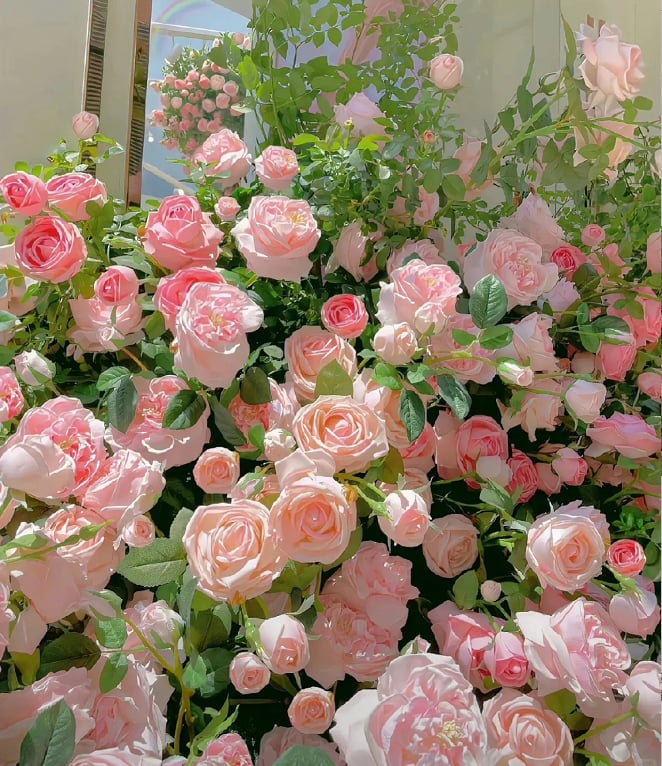
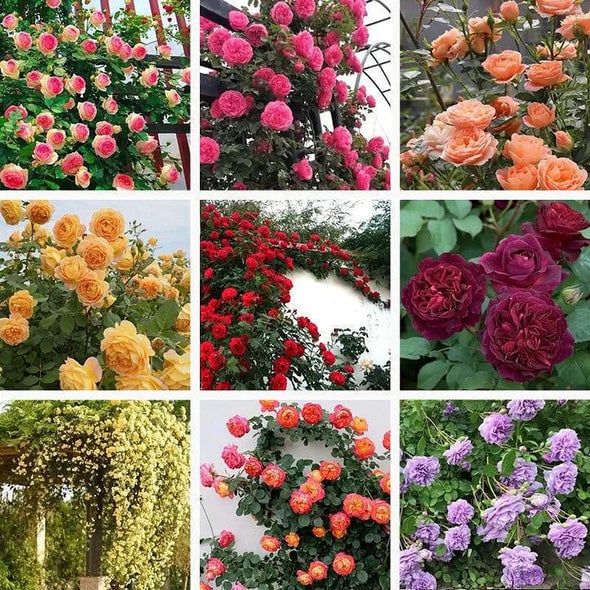
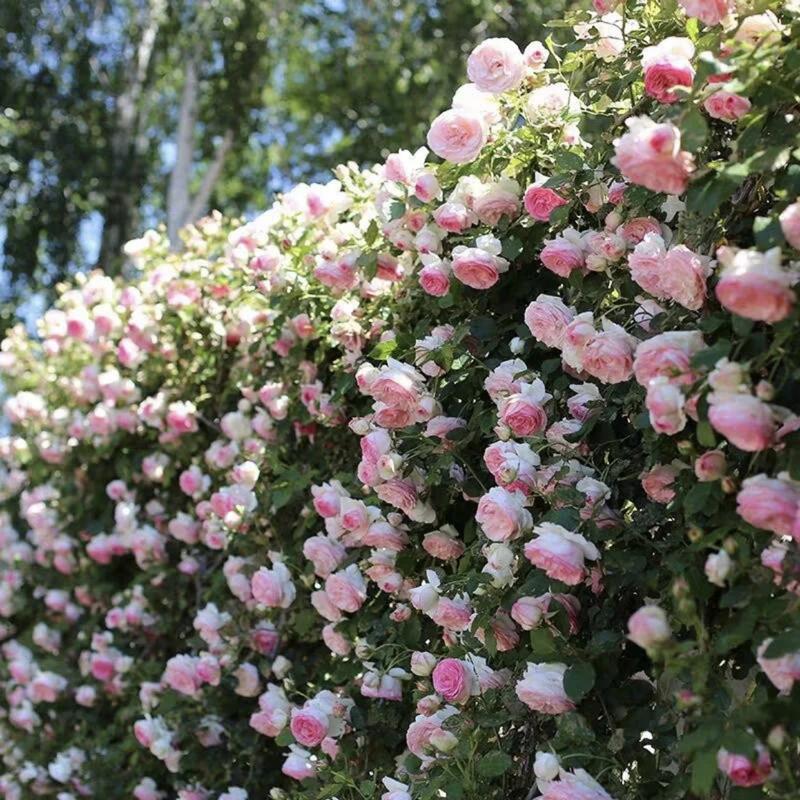
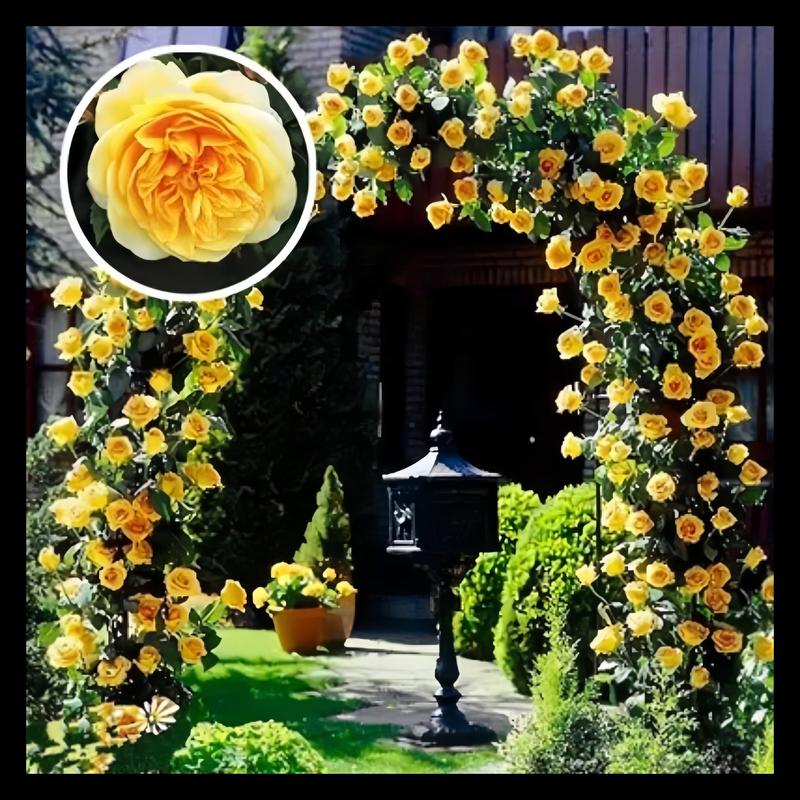
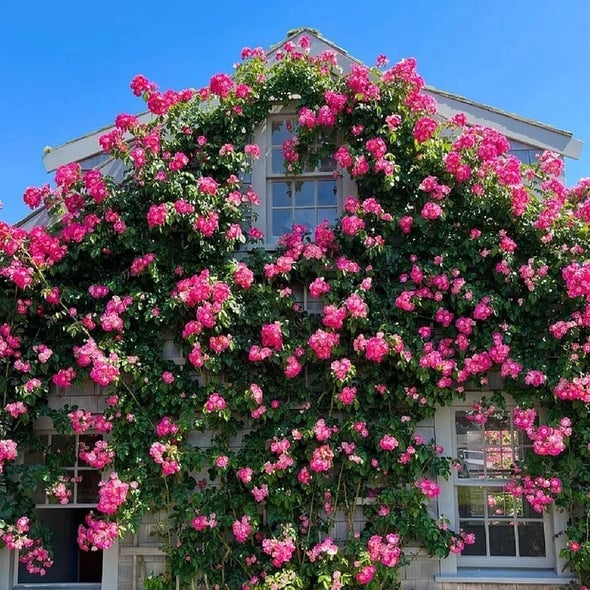
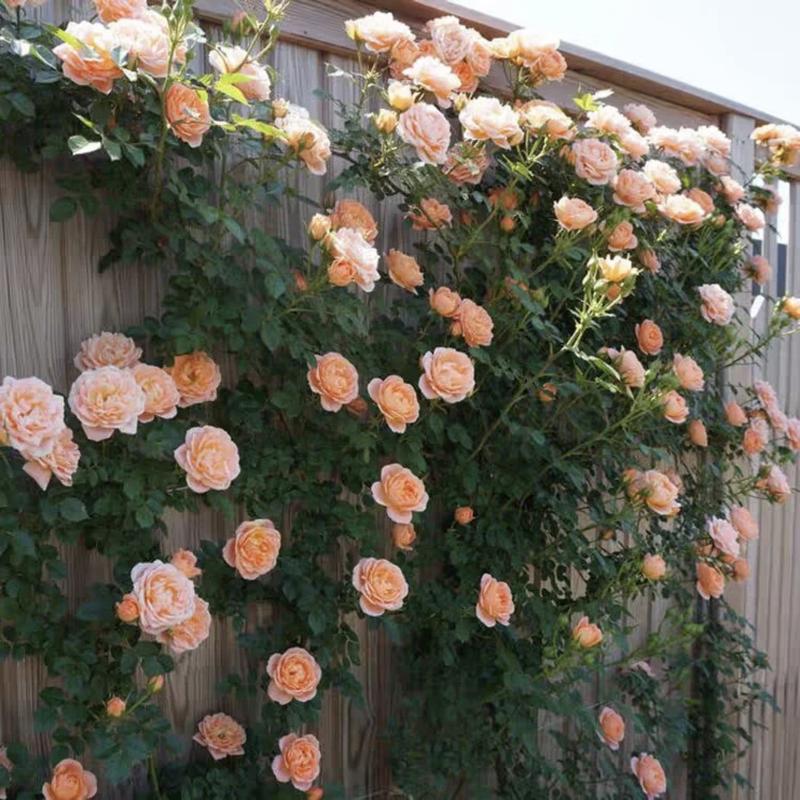
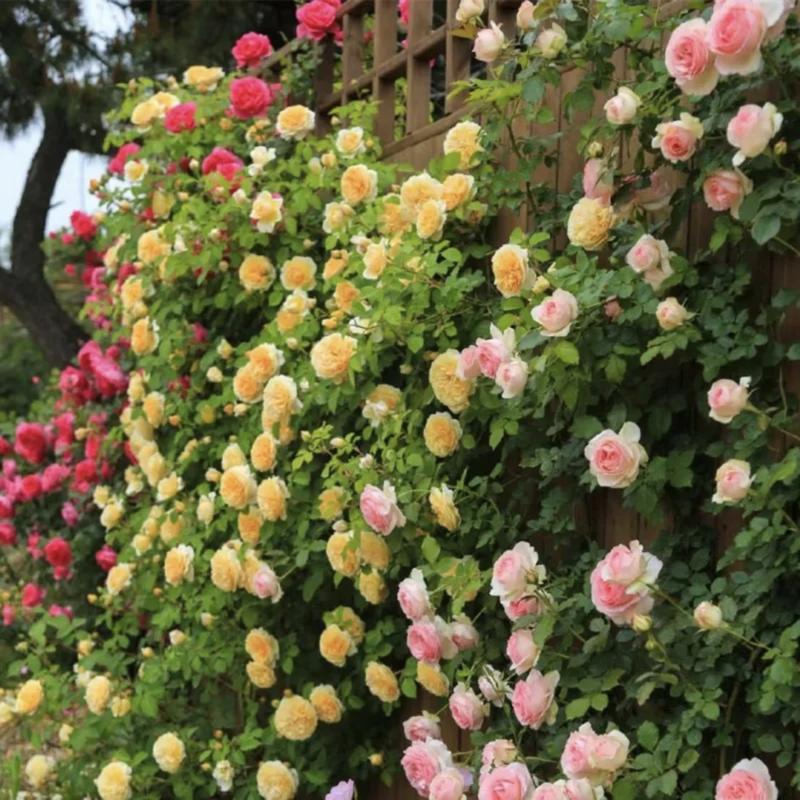
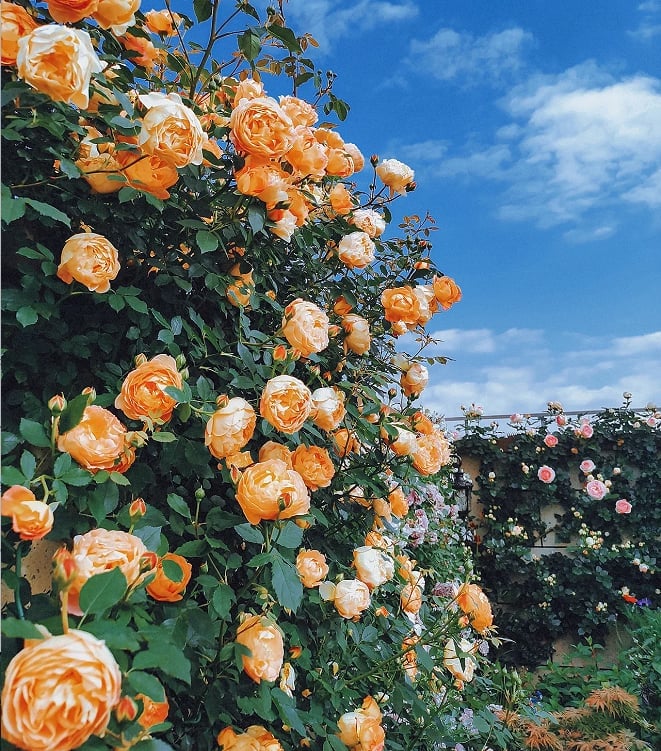
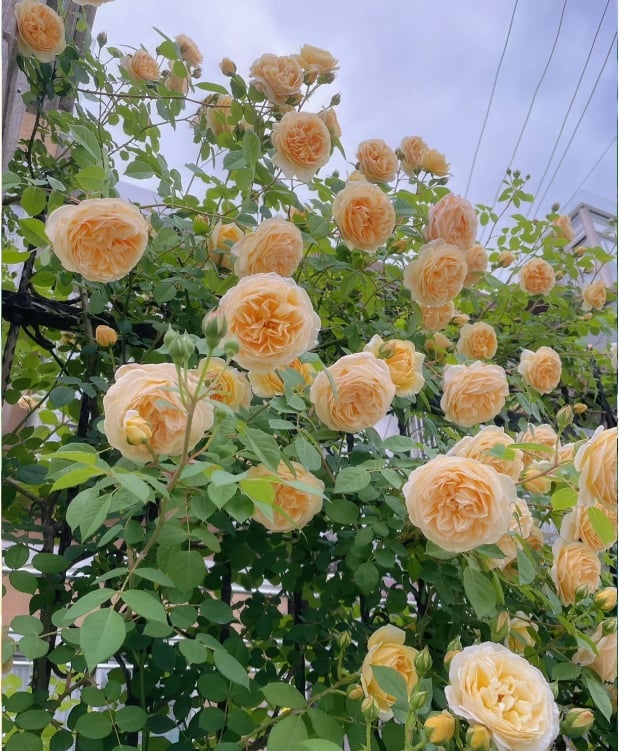
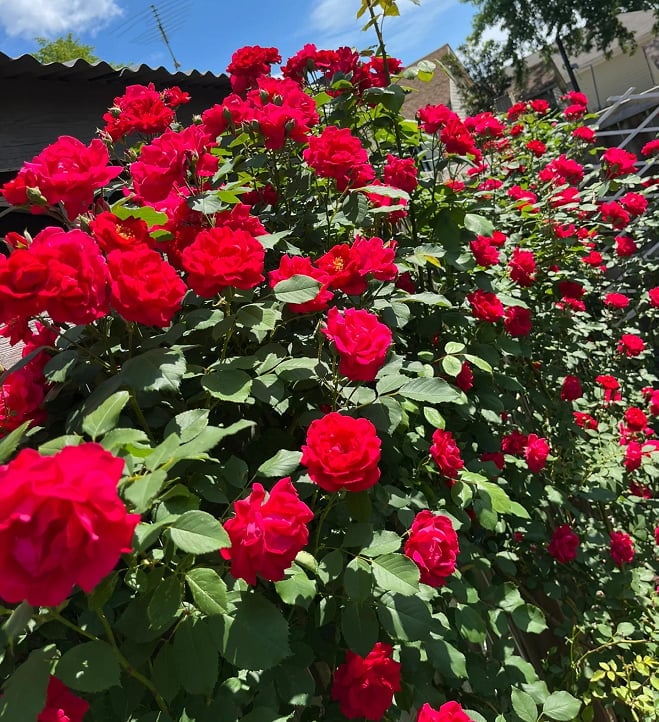
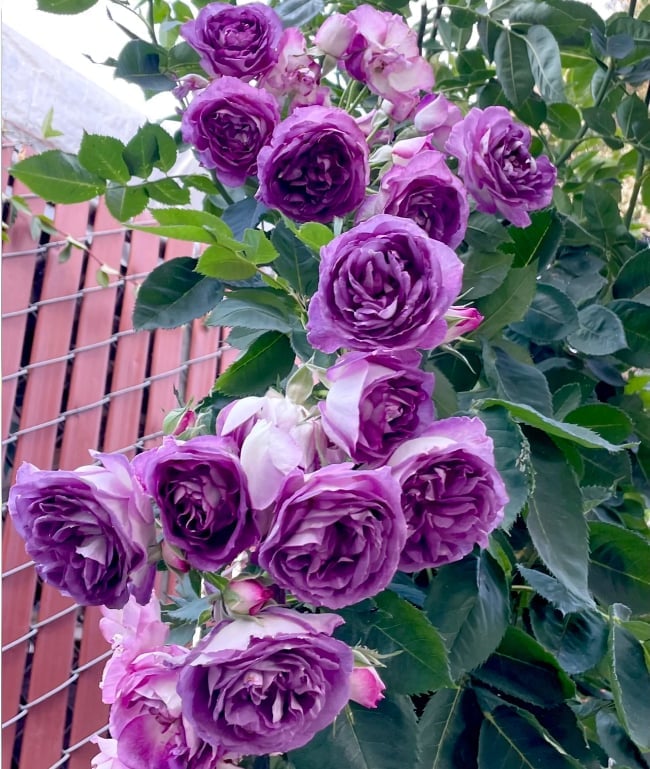
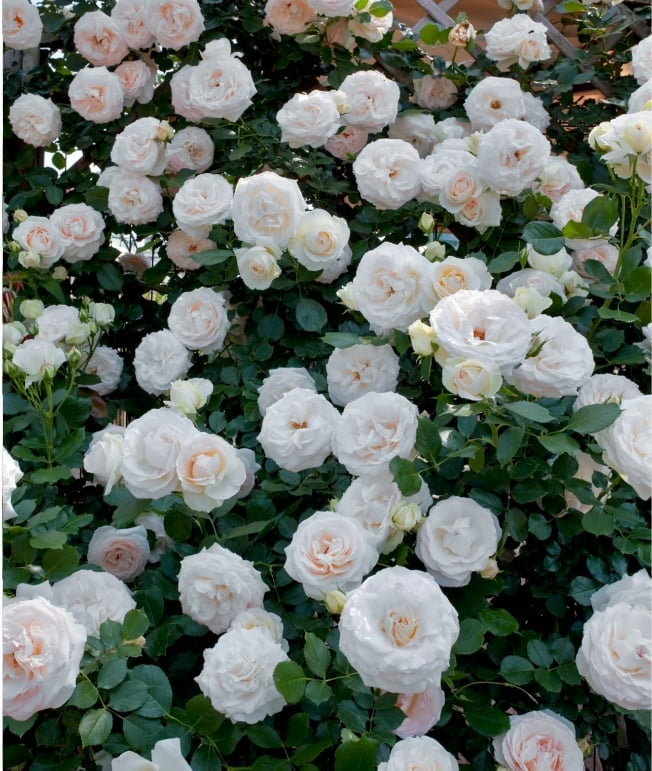
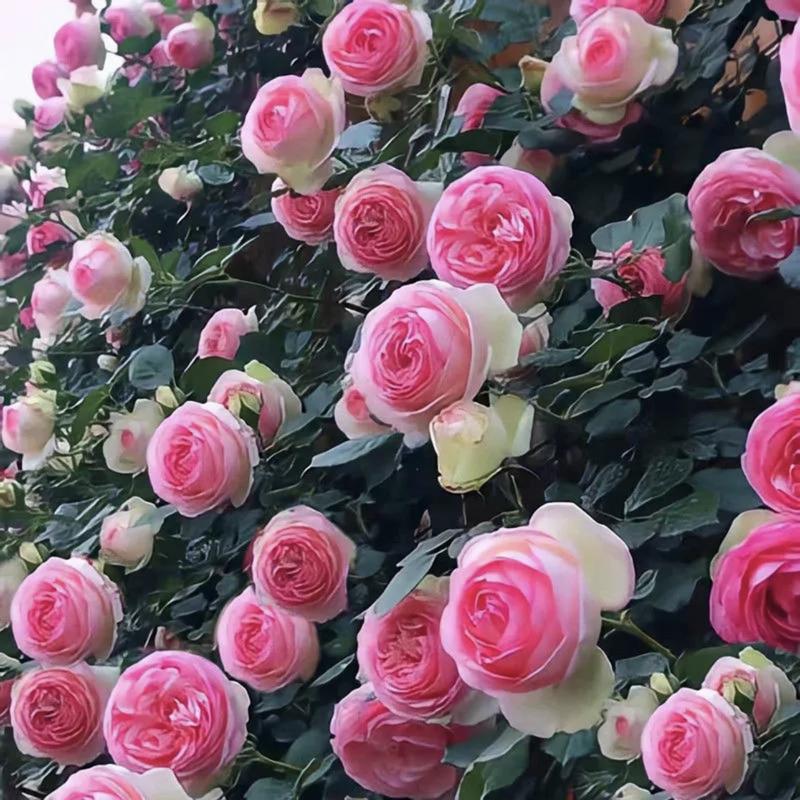
Color 🔥Mixed
Amount 50 Seeds
OR

🎁 Currentlye boasts exceptional seed quality, ensuring a high germination rate and robust plant development. With a focus on superior seed quality, we strive to provide a rewarding gardening experience, earning the trust of our valued customers. ❤️❤️❤️
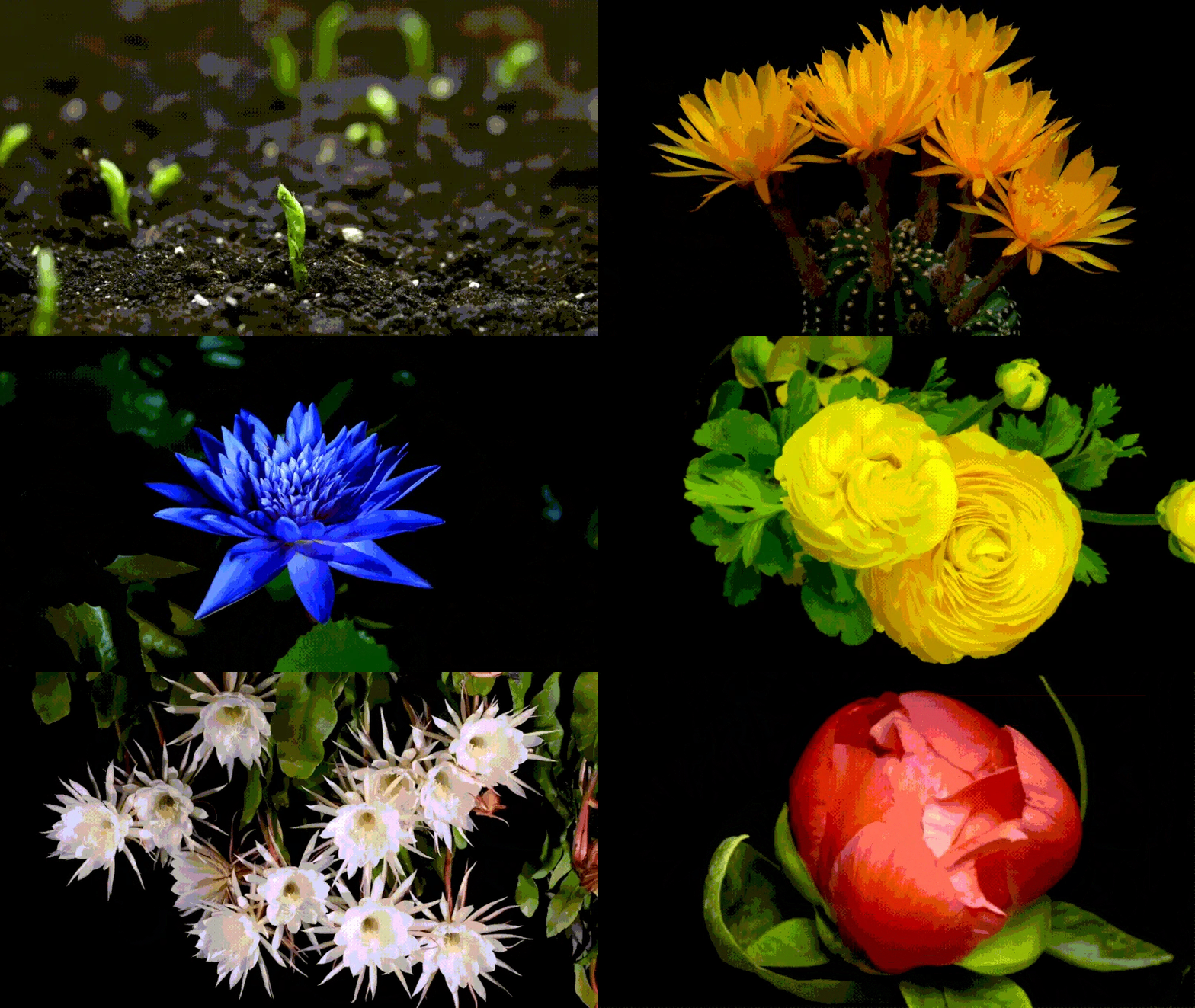
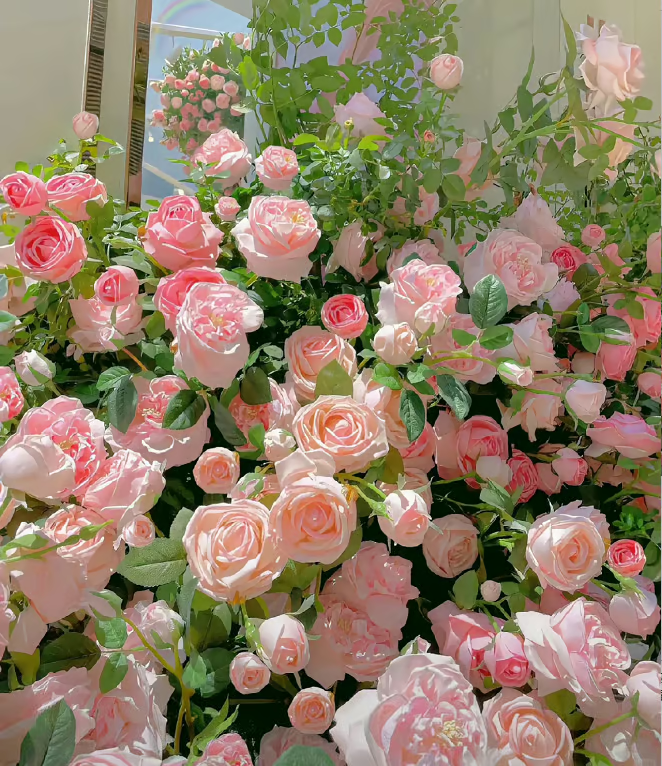
Established climbing roses should be pruned annually, but will not benefit from drastic pruning unless there are problems with the plant and it is necessary to replant. The aim is to get the main stems to grow tall and cover the intended surface or structure, and pruning them will prevent this from happening.
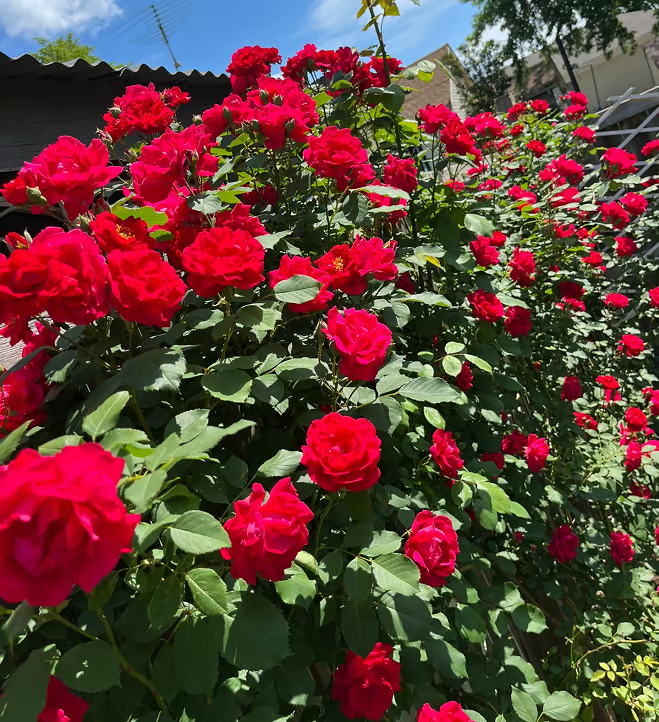
Rose roots are commonly known as noninvasive. Roses are not known to displace foundations or water pipes.
The roots of rose bushes will spread out in the direction of the water. So if you have leaky pipes, the roots of rose bushes will grow towards them. Normally, these cannot cause any damage, as they are not strong enough.
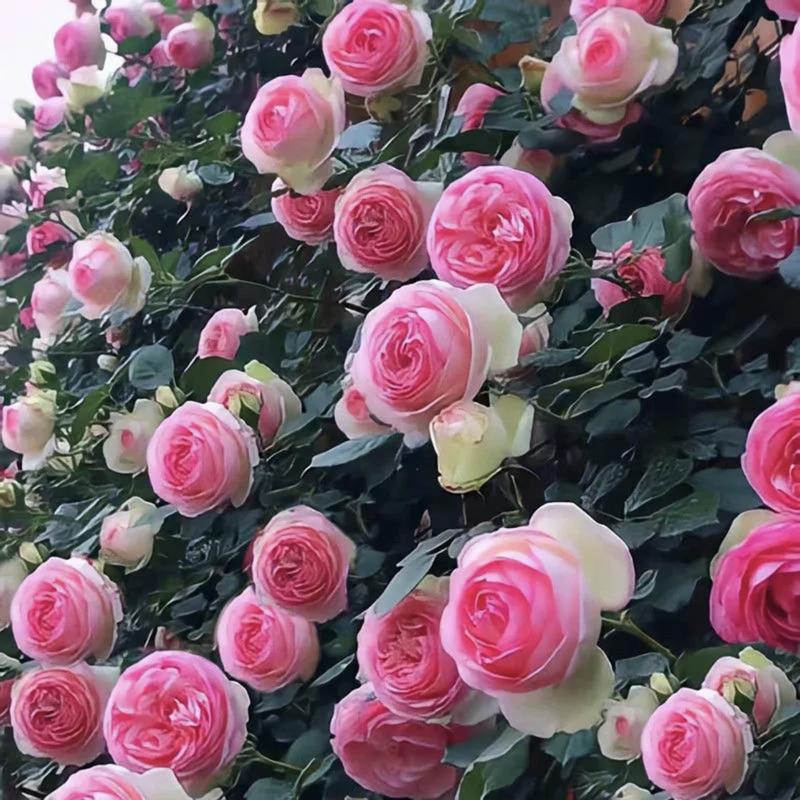
Climbing roses don't bloom much in the first or second season because they are still growing to their full height. That takes a lot of energy. It's like fruit trees. They don't bear fruit when they are young. But either way, now is the best time.
Many modern roses will only live six to ten years unless they are given exceptional care. Some species and climbing roses will live 50 years or more.
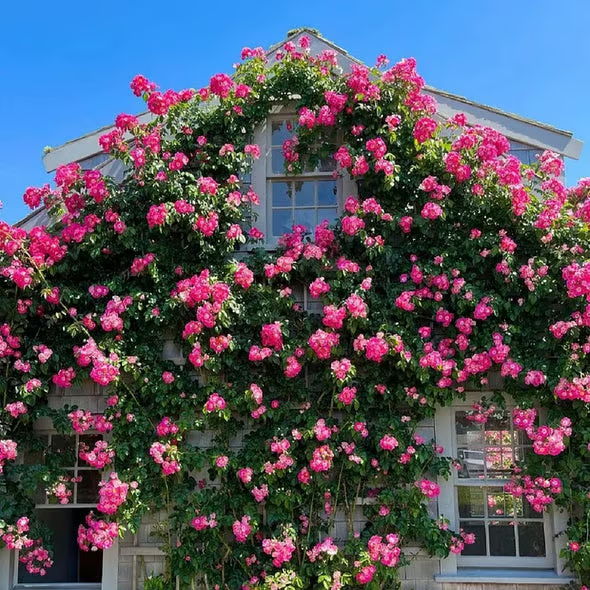
For squares or rectangles: Measure the length and width of the space where you want to plant.
For circles: Find the radius: Measure the widest part of the planting space and divide by 2.
For squares or rectangles: length (in feet) x width (in feet) = square feet
For example, a garden that measures 50 ft x 30 ft = 1500 sq. ft.
For circles: radius (in feet) x radius x 3.14 = square feet
For example, a circular garden that is 20 feet wide has a radius of 10 feet. 10 x 10 x 3.14 = 314 sq. ft.
(The mathematical formula for the area of a circle is Π r2 - the symbol Π is pronounced Pi and represents approximately 3.142, and r2 represents the radius squared.)
The amount of seeds you should plant depends on the flower arrangement you want. We generally recommend planting on the taller side for a lush meadow. Plant on the shorter side for a more spread out look.
For individual species: Recommended ratios vary widely from species to species. Please refer to the product page or contact us if you have questions.
For wildflower mixes: see table below.
| THIS LARGE AMOUNT OF SEEDS COVERS... | THIS AMOUNT OF SQUARE FOOTAGE |
|---|---|
| 1/4 lb | 250 - 500 sq. ft. |
| 1/2 lb | 500 - 1,000 sq. ft. |
| 1 lb | 1,000 - 2,000 sq. ft. |
| 5 lbs | 5,000 - 10,000 sq. ft. |
| 10 lbs | 10,000 - 25,000 sq. ft. |
Tips for larger plantings: If you have a large site, 1/2 acre to several acres, your planting rate may be affected by ground conditions. If you have a lot of weeds on the site now, some erosion, generally poor soil, or other soil problems, additional seed is often the most economical solution, as installing a large planting usually costs more than the seed itself. If your site has these problems and you want thorough coverage, use 1 pound per 1000 square feet.

Comment